Sustainable Protein for a Better Future
Discover how mealworms are revolutionising sustainable food production and helping reduce our environmental impact
Why Mealworms Are Environmentally Friendly
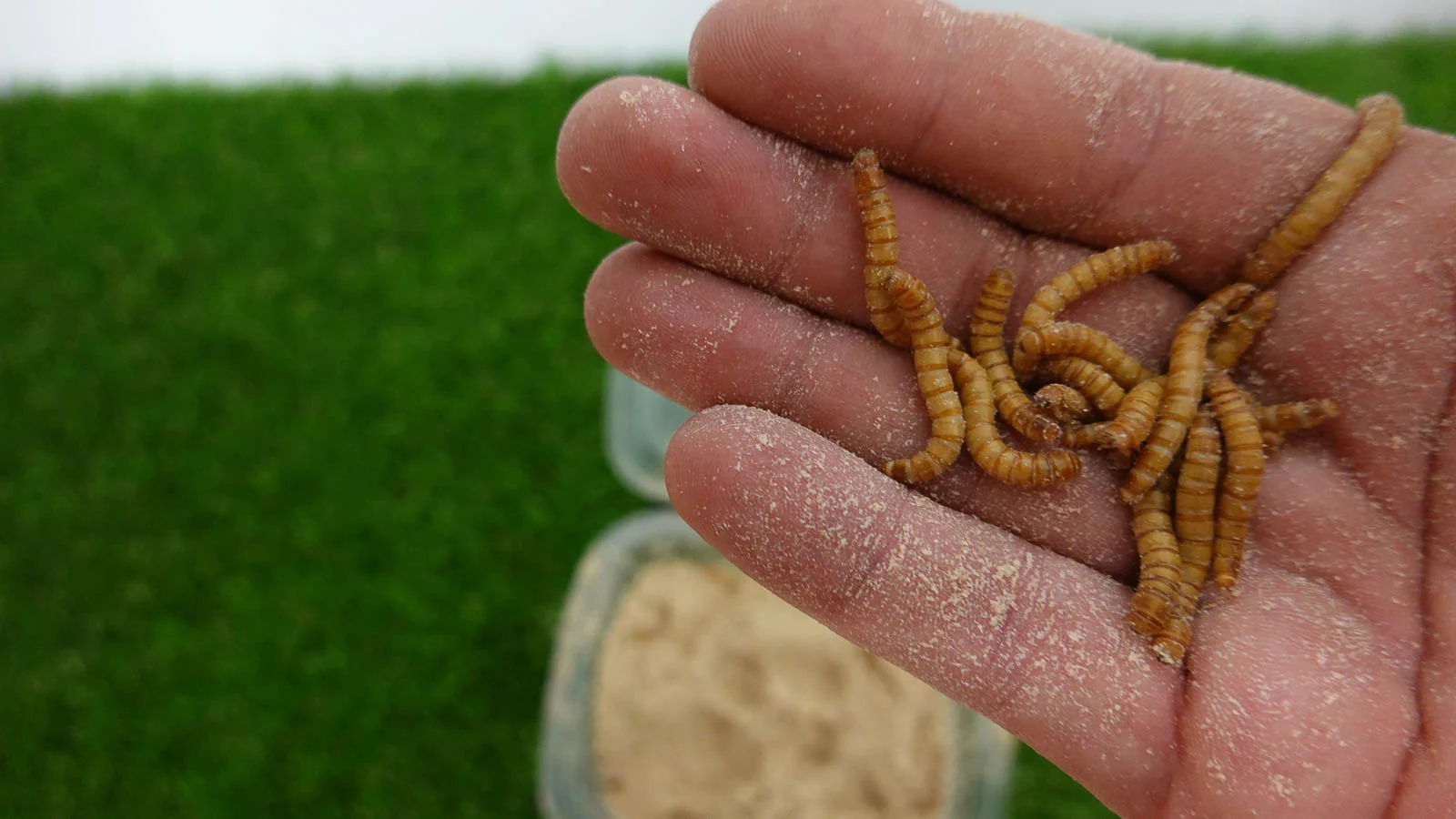
Mealworms represent one of the most sustainable protein sources available today. As the world faces increasing environmental challenges, these remarkable insects offer a solution that benefits both our pets and our planet.
Reducing Your Carbon Footprint
Less Greenhouse Gas
Mealworms produce 99% less greenhouse gas compared to traditional livestock
Less Water Usage
Mealworm farming requires 95% less water than cattle farming
Less Land Required
Mealworms need 90% less land space compared to traditional protein sources
Feed Conversion
Mealworms convert 80% of feed into edible protein vs 40% for chickens

Reducing Household Waste
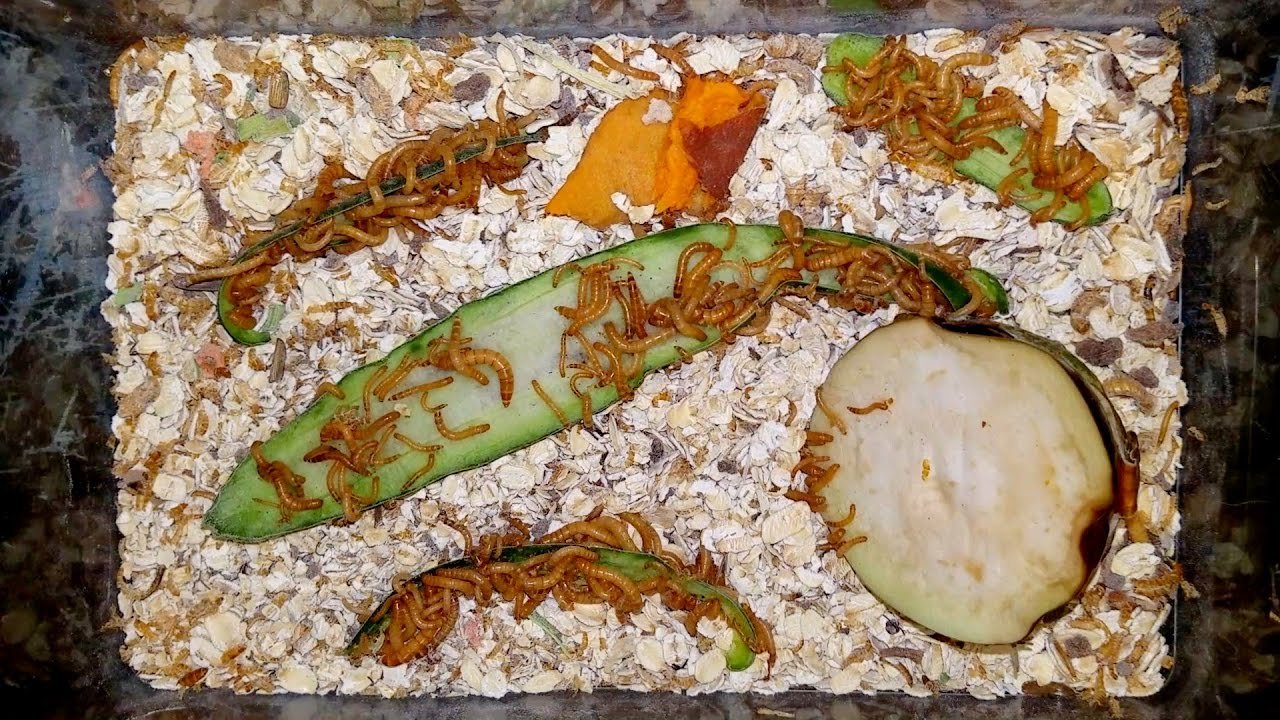
One of the most remarkable benefits of mealworm farming is their ability to convert organic waste into high-quality protein. This creates a circular economy right in your home.
What Mealworms Can Eat
- Vegetable scraps: Carrot peelings, potato skins, lettuce leaves, cucumber ends
- Fruit waste: Apple cores, banana peels, overripe fruit
- Grains: Oats, wheat bran, stale bread, cereal
- Other organic matter: Coffee grounds, tea bags, dried leaves
By breeding mealworms at home, you can divert up to 2-3kg of organic waste per month from landfills. This waste is converted into nutritious protein for your pets, creating a sustainable closed-loop system.
The Environmental Impact of Traditional Pet Food
Traditional pet food production has a significant environmental footprint. The meat industry, which supplies much of the protein in conventional pet food, is responsible for:
- 14.5% of global greenhouse gas emissions
- Massive water consumption (15,000 litres per kg of beef)
- Deforestation for grazing land and feed crops
- Water pollution from agricultural runoff
- Antibiotic resistance from livestock farming
By choosing mealworms as a protein source for your pets, you're making a conscious decision to reduce this environmental impact.
Mealworms vs Traditional Protein Sources
| Metric | Mealworms | Chicken | Beef |
|---|---|---|---|
| Water (litres/kg protein) | 23 | 3,900 | 15,400 |
| Land (m²/kg protein) | 18 | 51 | 254 |
| Feed (kg/kg protein) | 2 | 2.5 | 10 |
| CO₂ emissions (kg/kg protein) | 0.3 | 6.9 | 50 |

The Circular Economy of Mealworm Farming
Mealworm farming creates a perfect example of a circular economy:
Household Waste
Vegetable scraps and organic waste from your kitchen
Mealworm Feed
Waste is converted into nutrition for growing mealworms
Protein Production
Mealworms grow and multiply, creating high-quality protein
Pet Nutrition
Fresh, nutritious food for your pets
Frass (Waste)
Mealworm waste makes excellent fertiliser for your garden
Making a Difference
Every small action counts. By choosing mealworms for your pets, you're contributing to:
- Reduced carbon emissions: Lower your household's carbon footprint
- Water conservation: Save thousands of litres of water annually
- Waste reduction: Divert organic waste from landfills
- Sustainable agriculture: Support environmentally friendly farming practices
- Biodiversity: Reduce pressure on wild fish stocks and natural habitats
Did You Know?
If just 10% of UK pet owners switched to mealworms for their pets' protein needs, we could save approximately 2.5 billion litres of water and reduce CO₂ emissions by 50,000 tonnes annually. That's equivalent to taking 10,000 cars off the road!
Start Your Sustainable Journey Today
Whether you're feeding reptiles, birds, chickens, or fish, mealworms offer a sustainable alternative that benefits both your pets and the planet. Our breeding kits make it easy to start your own colony and become part of the solution.
Join the Sustainable Pet Food Revolution
Every purchase supports sustainable farming and helps reduce environmental impact
Start Shopping