
Complete Pet Food Guide
Expert advice on feeding mealworms to your pets - from tarantulas to chickens
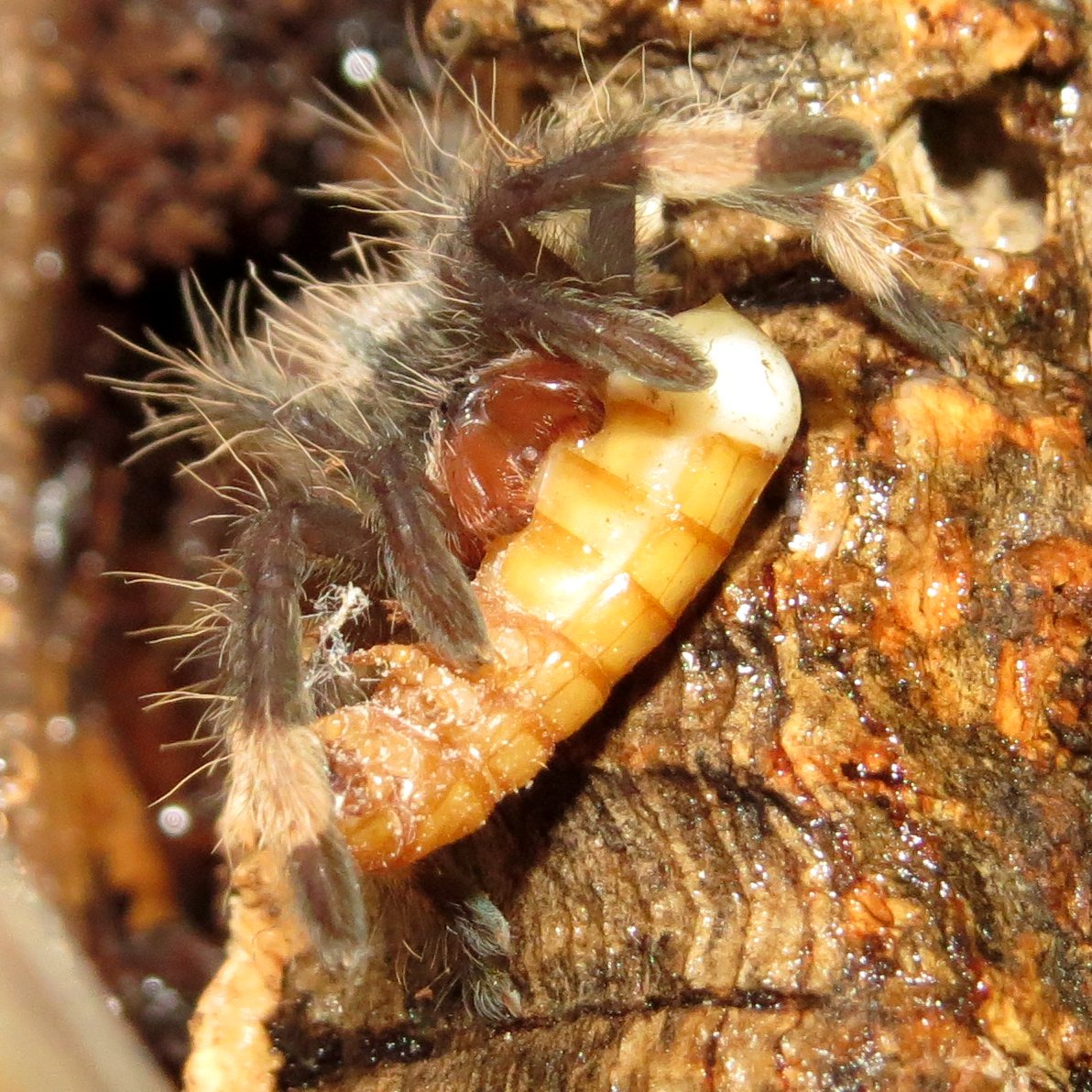
Tarantulas
Complete feeding guide for spiderlings, juveniles, and adult tarantulas. Learn proper portion sizes and safety tips.
Read Guide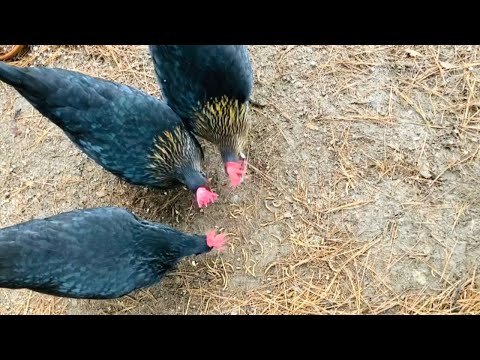
Chickens & Ducks
Boost egg production and feather health. Feeding guidelines for chicks, pullets, and laying hens.
Read Guide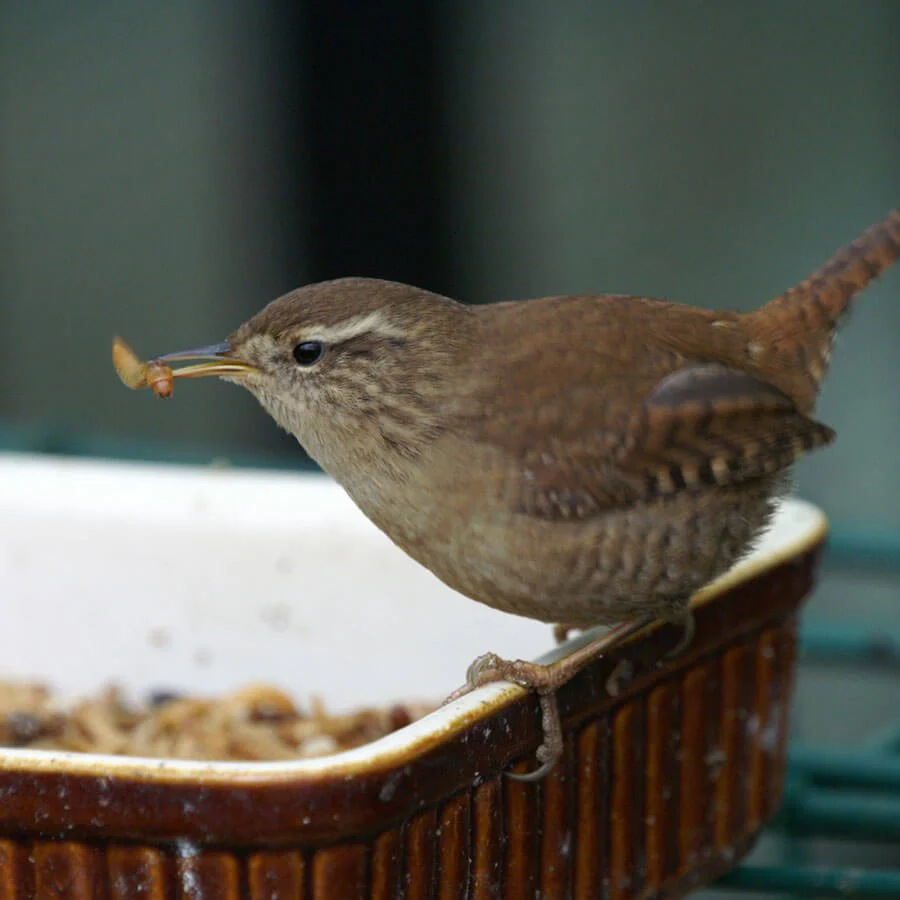
Wild Birds
Attract robins, blue tits, and more to your garden. Seasonal feeding recommendations for British birds.
Read Guide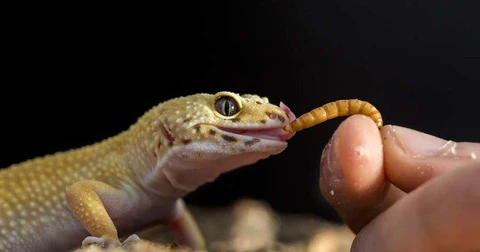
Reptiles
Detailed guides for bearded dragons, leopard geckos, and other reptiles. Calcium dusting and safety tips.
Read Guide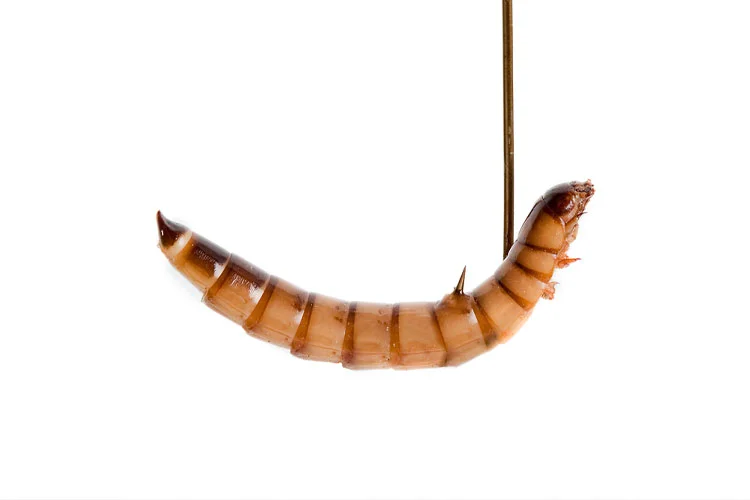
Fish
Complete guide for aquarium fish, pond fish, and fishing bait. Feeding methods and hooking techniques.
Read Guide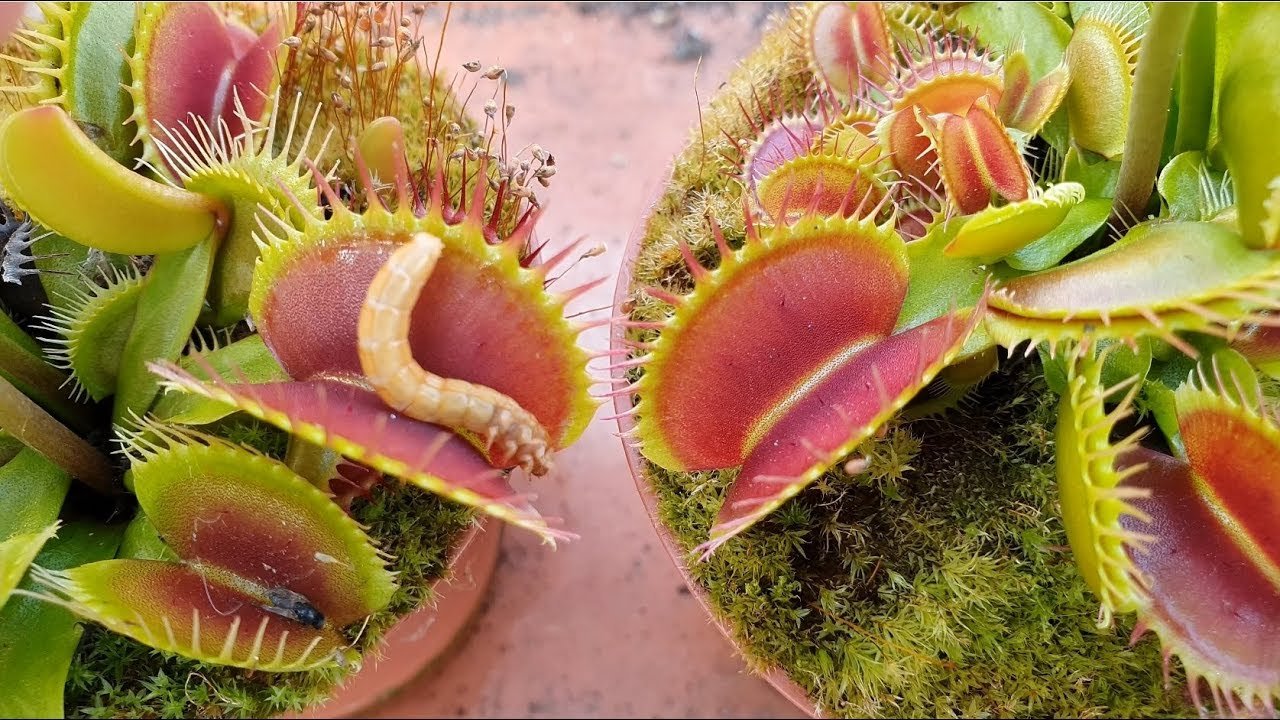
Carnivorous Plants
Safe feeding guide for Venus flytraps, sundews, and pitcher plants. Learn proper techniques and safety tips.
Read GuideGeneral Mealworm Feeding Tips
Storage
- • Store at 7-10°C (refrigerator)
- • Use ventilated container
- • Provide substrate (oats/bran)
- • Add moisture (vegetables)
- • Check weekly, remove dead ones
- • Can last 4-6 weeks
Gut Loading
- • Feed mealworms 24-48 hours before use
- • Use nutritious foods (vegetables, fruits)
- • Improves nutritional value
- • Essential for reptiles
- • Use commercial gut-load products
- • Keep at room temperature while loading
Calcium Dusting
- • Essential for reptiles and amphibians
- • Use calcium powder with D3
- • Place mealworms in bag with powder
- • Shake gently to coat
- • Feed immediately after dusting
- • Frequency varies by species
Safety
- • Never feed mouldy mealworms
- • Remove dead mealworms promptly
- • Wash hands after handling
- • Monitor pet's response
- • Adjust quantities as needed
- • Consult vet if concerns arise
Ready to Feed Your Pets Premium Mealworms?
Shop our range of fresh, healthy mealworms - perfect for all your pets