
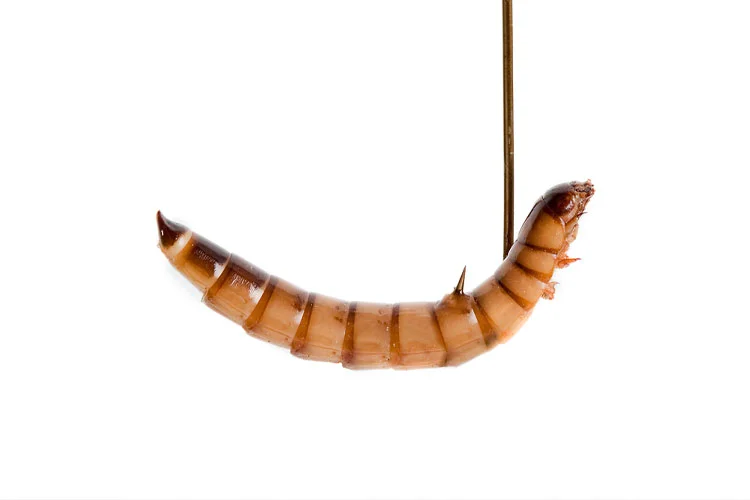
Mealworms for Fish
Mealworms are incredibly versatile for fish - whether you're feeding aquarium fish, pond fish, or using them as fishing bait. This comprehensive guide covers everything you need to know.
Feeding Aquarium & Pond Fish
Mealworms make excellent supplementary food for larger fish, providing high protein and enrichment through hunting behaviour.
Aquarium Fish
- Oscars: 3-5 mealworms, 2-3 times per week
- Cichlids (large): 2-4 mealworms, 2 times per week
- Arowanas: 4-6 mealworms, 2-3 times per week
- Bettas: 1 small mealworm, once per week as treat
- Angelfish: 1-2 small mealworms, once per week
Pond Fish
- Koi: 5-10 mealworms per fish, 2-3 times per week
- Goldfish: 2-4 mealworms per fish, 2 times per week
- Orfe: 3-5 mealworms per fish, 2 times per week
- Tench: 4-6 mealworms per fish, 2 times per week
⚠️ Important Feeding Tips
- Size Matters: Mealworms should be smaller than the fish's mouth
- Live vs Dead: Most fish prefer live mealworms for the movement
- Water Quality: Remove uneaten mealworms after 5 minutes to prevent pollution
- Frequency: Treats only - not a staple diet
- Preparation: Can crush heads for smaller fish
Feeding Methods for Pet Fish
- Surface Feeding: Drop live mealworms on water surface
- Feeding Tongs: Hold mealworm underwater for shy fish
- Floating Dish: Use shallow dish to contain mealworms
- Hand Feeding: Train larger fish to take from your hand
Nutritional Benefits
Mealworms provide excellent protein (20%), healthy fats, and enrichment. They're particularly beneficial for:
- Conditioning fish for breeding
- Recovering fish after illness
- Growing juvenile fish
- Maintaining colour and vitality
- Providing mental stimulation
Mealworms as Fishing Bait
Mealworms are excellent bait for coarse fishing, particularly effective for catching panfish, trout, and other small to medium-sized fish.
Target Species
Freshwater
- • Trout (all species)
- • Perch
- • Roach
- • Rudd
- • Bream
- • Chub
Panfish
- • Bluegill
- • Sunfish
- • Crappie
- • Rock Bass
- • Pumpkinseed
Other Species
- • Carp (small)
- • Tench
- • Barbel
- • Dace
- • Grayling
Fishing Techniques
Hooking Methods
- Through the Head: Most secure, best for casting. Hook enters behind the head
- Through the Middle: Natural presentation, good for still water
- Multiple Worms: Thread 2-3 mealworms on hook for larger fish
- Tail Hook: Allows natural movement, good for slow currents
Storage for Fishing
- Keep in a cool box or bait fridge (7-10°C)
- Use ventilated containers with substrate
- Add potato or carrot for moisture
- Can last 4-6 weeks with proper care
- Bring only what you need for the session