
The Complete Guide to Feeding Mealworms to Your Pets
Everything You Need to Know About Mealworms as Pet Food
Mealworms are one of the most popular and nutritious live food options for a wide variety of pets. Whether you have reptiles, birds, fish, or even small mammals, understanding how to properly feed mealworms can significantly improve your pet's health and happiness.
Nutritional Profile
Live mealworms are nutritional powerhouses:
- Protein: Approximately 20% by weight - essential for growth and muscle development
- Fat: 13% - provides energy and supports healthy skin
- Fibre: 2% - aids digestion
- Moisture: 62% - helps with hydration
- Calcium: Present but should be supplemented for reptiles
Which Pets Can Eat Mealworms?
Reptiles
Bearded Dragons: Mealworms should be offered as part of a varied diet. Limit to 5-10 per feeding for adults, fewer for juveniles. Always dust with calcium powder.
Leopard Geckos: Excellent staple food. Adults can eat 5-8 mealworms per feeding, 3-4 times per week.
Blue Tongue Skinks: Can be offered as treats. These omnivores need a balanced diet of insects, vegetables, and occasional fruit.
Birds
Wild Birds: Robins, blackbirds, and thrushes love mealworms. Offer in a shallow dish or specialist feeder.
Chickens: Excellent protein supplement. Limit to 10% of their diet to avoid nutritional imbalances.
Parrots: Can be offered as occasional treats for enrichment and protein.
Other Pets
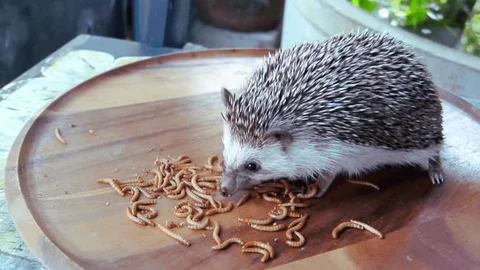
Hedgehogs: Wild hedgehogs benefit from mealworms, but limit quantity as they're high in fat.
Sugar Gliders: Can be part of their insect protein requirement.
Fish: Larger fish species enjoy live or dried mealworms as treats.
How to Store Mealworms
Proper storage extends the life of your mealworms and maintains their nutritional value:
- Temperature: Store at 7-10°C (refrigerator) to slow metabolism
- Container: Use a well-ventilated container with substrate (wheat bran or oats)
- Moisture: Provide fresh vegetables like carrots, potatoes, or apples every few days
- Cleaning: Remove dead mealworms and refresh substrate weekly
- Duration: Properly stored mealworms can last 4-6 weeks
Gut Loading for Maximum Nutrition
Gut loading is the process of feeding your mealworms nutritious food 24-48 hours before feeding them to your pets. This passes the nutrition through to your animals.
Good gut loading foods:
- Dark leafy greens (kale, collard greens)
- Carrots and sweet potatoes
- Squash and pumpkin
- Commercial gut loading products
Calcium Dusting
For reptiles, always dust mealworms with calcium powder before feeding. The calcium-to-phosphorus ratio in mealworms is not ideal for reptiles, so supplementation is essential to prevent metabolic bone disease.
Feeding Frequency Guidelines
- Juvenile Reptiles: Daily feeding with appropriately sized mealworms
- Adult Reptiles: 2-3 times per week as part of a varied diet
- Birds: Can be offered daily in small quantities
- Chickens: 2-3 times per week as treats
Safety Considerations
Size Matters: Never feed mealworms larger than the space between your pet's eyes (for reptiles). Smaller pets need smaller mealworms.
Impaction Risk: Some keepers worry about the hard exoskeleton causing impaction. This is rare if your pet is properly hydrated and the mealworms are appropriately sized. Newly moulted mealworms (white in colour) have softer exoskeletons.
Variety is Key: Mealworms should be part of a varied diet, not the only food source. Rotate with other feeders like crickets, dubia roaches, and waxworms.
Common Mistakes to Avoid
- Overfeeding: Too many mealworms can lead to obesity due to their fat content
- No Supplementation: Always dust with calcium for reptiles
- Poor Storage: Dead or mouldy mealworms can make pets sick
- Wrong Size: Too-large mealworms can cause choking or impaction
- Lack of Variety: A single food source leads to nutritional deficiencies
Conclusion
Mealworms are an excellent, nutritious food source for many pets when used correctly. By following these guidelines for storage, gut loading, and feeding frequency, you'll ensure your pets get maximum nutritional benefit while staying healthy and happy.
Have questions about feeding mealworms to your specific pet? Feel free to contact us - we're always happy to help!
Comments (0)
You must be logged in to leave a comment.
Login to Comment
No comments yet. Be the first to comment!